
Safe Laser 1800 And Safe Laser 500 Comparison The Top 10 Characteristics Of The Safe Laser 1800
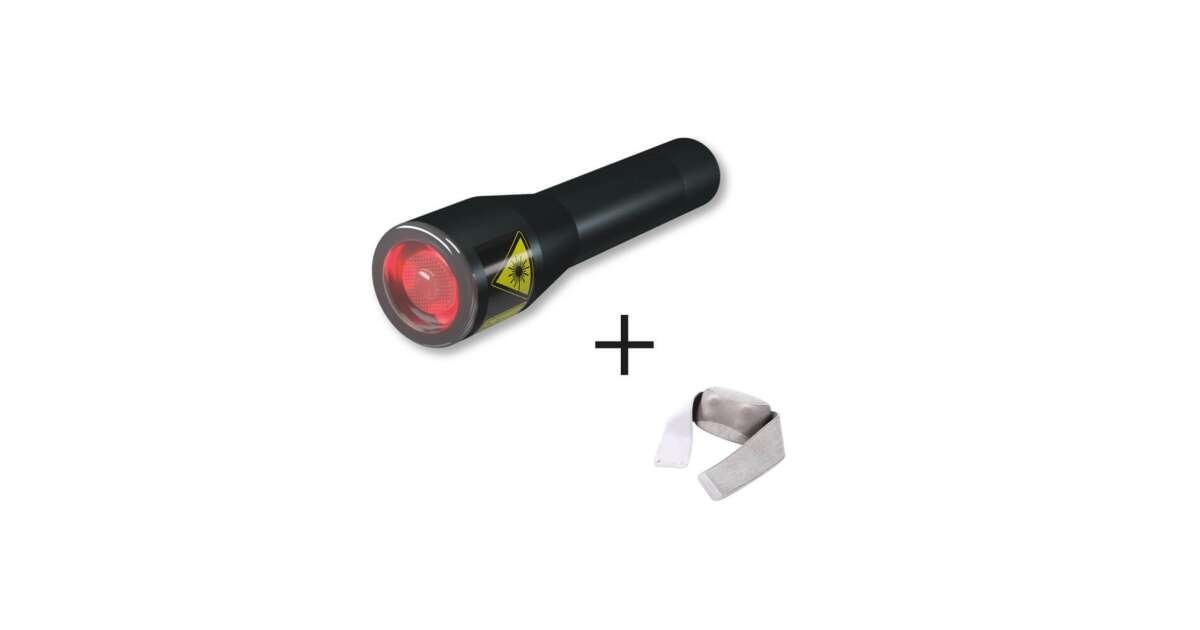
Safe Laser devices are therapeutic cold lasers of Class IV commonly referred to as photobiomodulation (PBM) therapy systems. They are designed to reduce pain, decrease inflammation, and speed up healing by using specific wavelengths that work with mitochondria. The fundamental principle is the same across the entire product line. However, distinct differences are evident in the power, design, or application scope of the various models. Safe Laser 1800, the model with the highest power, is the flagship. Safe Laser 500 represents a robust, more portable unit. It is important to understand their capabilities to select the most suitable instrument for your needs in the clinic.
1. Laser Power Output & Dosage Time
Safe Laser 1800: This model is the most powerful in the Safe Laser arsenal. The unit boasts an output peak power of 18 Watts (18000 milliwatts). This amazing power is the defining characteristic. Its high wattage provides an enormous dose of therapeutic photons within a very brief amount of time. With the SL 1800, treatments that could take up to several minutes using a low-powered device can be completed in a matter of just a few seconds. This is critical to the efficiency of clinical care, allowing practitioners to treat complex or large areas quickly.
Safe Laser 500 : Safe Laser 500 is one of the lasers with a peak power of 5 Watts (5,0 milliwatts). It is less powerful than 1800 but is still considered to be a powerful laser in the larger therapeutic laser market. It provides a substantial dose, but it needs more time to apply the laser per point or area to give the same power (Joules) as the 1800. It's therefore extremely efficient but isn't as efficient for large areas.
2. Wavelengths and Penetration Depth
The wavelength of 810 nanometers is used on both models. This frequency infrared was selected due to its superior ability to penetrate tissue. It can reach deep into joints, muscles, and bones, which makes it ideal for treating a wide variety of ailments, including superficial tendonitis and deep joint arthritis. Safe Laser is a system that utilizes a single wavelength which is very effective, for deep tissue treatments. It guarantees consistency across both the 500 model and 1800 model.
3. Beam Configuration and Treatment Applicators
Safe Laser 1800 features a one large-diameter head. The beam of the head is divergent. That means that it extends and covers a greater area, a few centimeters wide, at the point of contact. It's ideal for treating large muscles or large areas of swelling, or when a general tissue effect is needed over the entire field. This eliminates the requirement for precise point by treatment across large areas.
The Safe Laser 500 uses a cluster-applicator. It is equipped with an 810nm central laser which is the same as those that were used in the 1800s. But it's surrounded with superluminous diodes in a ring that emit visible red at 660nm. The 660 nm wavelength is more easily absorbed and is great to treat skin conditions, and more superficial tissues. The 500's approach is more of an "combined" therapy, targeting multiple tissue depths simultaneously with its cluster head.
4. Dosage Calculation and Energy Delivery
Security Laser 1800: Due to its high power, the 1800 delivers energy in Joules per Second very rapidly. The main concern is the treatment time. The software on the device determines the amount of exposure required based on desired dose. Its efficiency is based on the speed. High dose treatments can be given in the timeframe that is clinically acceptable.
Safe Laser 500 (Slower energy delivery) The device is often equipped with an integrated feature for dosimetry. Many units include an electronic contact sensor which is placed on the skin, automatically calculates the treatment time needed depending on the power setting and the problem being treated. This can be a valuable guide for those who are new to laser therapy, to ensure a consistent and accurate dose.
5. Design, portability, And the intended use
Secure Laser 1800 Safe Laser 1800 is a console type device. It's larger, heavier and designed to act as a stationary workhorse within a clinical setting such as in a physiotherapy or sports medicine clinic, veterinary clinic, etc. Its design focuses on strength and durability for use at high frequency over mobility.
Secure Laser 500: Portability is one of the main features of the 500. It's a small, handheld unit that is similar to the size and form of a large electric shaver. It's portable and lightweight inside a case. It is ideal for those who travel to see therapists.
6. The Clinical Application and the Treatment Scope
Secure Laser 1800 is the ideal treatment option for chronic, deep-seated issues and large areas. It is especially effective for dealing with joint problems of a major nature (hip and knee, as well as the spine) and severe muscle injuries and patients with high BMI. This is the ideal option for cases with a high volume which are difficult to treat.
Safe Laser 500: While effective for a wide array of conditions, its strength lies in treating localized, acute, and superficial-to-mid-depth issues. It is excellent for treating tendinitis (tendinitis) as well as bursitis (bursitis) as well as sprains and wound healing. The presence of the 660 nm wavelength is perfect for treating skin lesions scar tissue, and various soft tissue injuries.
7. Treatment Protocols Versatility
Both Models: They work with the same basic photobiomodulation concepts. They also work to treat the same indications such as musculoskeletal injury, inflammation reduction, or tissue repair. The difference lies not so much in the "what" but the "how quick" as well as "how deep." The 1800 is a brute-force device that can provide speeds for deep tissue, while the 5000 is a more flexible, combined-wavelength, guided-dosing approach in a mobile and flexible format.
8. Efficiency and Practice Workflow
Safe Laser 1800 is one of the most effective laser for a busy clinic. When patients are treated in 5-10 mins instead of 20-30, it could increase rate of treatment for patients. This savings in time translates into better financial results for the practice as well as the capability to treat more complicated cases efficiently during a typical appointment.
A safe Laser The procedure is an organized approach. Treatments can be longer and restrict the number of patients who can be treated each day. The flexibility and efficiency of the system can streamline the process in a more relaxed setting or for solo practitioners.
9. Analysis of the investment and cost-benefit
Safe Laser 1800 – As the most popular model, it is priced at more expensive prices. The ROI is justifiable due to its clinical performance, its capability to handle the most difficult cases and its status as a primary revenue-generating tool in a well-established clinic.
Safe Laser 500: It is an easier entry point to high-power laser therapy. The less expensive price makes the device attractive to new practitioners as well as mobile service providers. It can also be utilized as an extra device in clinics using 1800s for localized and specific treatments.
10. Models Comparison: Which one to Choose?
Safe Laser 1800 or 500? It all comes down to coordinating the device with the task at hand and the practice.
If you're a clinic-based practitioner with a large patient volume and you treat joint, spinal or muscle problems frequently and often deal with large animals and high-performance individuals, and time efficiency is essential for you, then the laser 1800 that is safe Laser 1800 is the best choice for you.
Safe Laser 500: Choose this device in case, for instance you are a mobile practitioner and require a portable device to treat a wide variety of superficial ailments and wounds, as also acute injuries. If your budget is limited but you'd like to benefit from the Safe Laser system.
In the end, they're both powerful tools that are made from the same scientific principles. But, each one is designed for a specific operational and clinical setting. Take a look at the top rated Safe Laser bérlés for blog recommendations including lézeres izületi kezelés, otthoni lézer kezelés, lágylézer kezelés szeged, soft laser terápia, lezer terapias keszulek, lágylézer készülék bérlés, lézeres izületi kezelés, lezer terapias keszulek, lézeres körömgomba kezelés veszprém, safe laser tapasztalatok and more.
Top 10 Adverse Side Reactions Or Contraindications For The Use Of Safe Laser Devices
While Safe Lasers have been acknowledged for their non-invasive nature and possessing a high quality safety rating, they're extremely effective tools for therapy that work with the human physiology. It is essential to know the possible side effects and contraindications of any medical treatment. Contraindications are situations in which a medical device should not use as it may cause harm. On the other hand, adverse effects may be unintentional but not necessarily harmful reactions. A competent practitioner or consumer must be capable of distinguishing between situations that require caution and normal physiological responses. The information gained from this course is vital for a safe and ethical practice of photobiomodulation.
1. Absolute contraindication: Malignancy active malignancy and cancer
The most significant contraindication involves the application of energy from lasers directly over an existing or suspected cancerous tumor or metastasis. The theory is that photobiomodulation–which can increase the rate of cell metabolism and proliferation, could increase the spread or growth of cancerous malignancies. It is a total prohibition. Treatment of cancer-related symptoms, such as pain or lymphedema may be considered as palliative treatment however only under the direct supervision of an oncologist and using a laser to distant areas from the primary tumor as well as metastatic locations.
2. Direct application to the thyroid gland is not recommended.
The thyroid gland has a high metabolic activity and is responsive to a variety of stimuli. The direct application of laser on the thyroid cartilage is contraindicated. Laser energy is believed to have the potential to influence thyroid hormones, and may cause an increase in thyroid problems. The effects on the system are not significant when treating different body organs, however targeted energy is not recommended.
3. Absolute Contraindication to the Abdomen During pregnancy
Applying the Safe Laser directly to the uterus during pregnancy is a contraindication. While the light can only penetrate a few centimeters into the uterus and no harm has been established, the precautionary rule dictates that non-essential energies not be applied to the growing fetus. This is a security procedure that is not able to be compromised in any trimester of pregnancy.
4. Ocular safety and the danger of retinal damage
It is the danger that is most likely occur when improperly used. The 810 nm wavelength emitted by Safe Laser devices is invisible and is able to be focused through the lens of the eye onto the retina and cause photochemical or thermal damage before the individual is aware of. Direct exposure, and also exposure to reflective surfaces should be avoided. This dangerous side effect can be prevented by requiring all employees as well as patients and other people who are around them wear safety glasses that have wavelengths specifically for their work.
5. Relative Contraindications for Photosensitizing Medicines
Photosensitivity is a typical side effect of certain medications. Drugs such as certain antibiotics (e.g., tetracyclines), diuretics (e.g., hydrochlorothiazide), and some antipsychotics can cause this reaction. This is a possible counterindication, despite the fact that the risk associated with non UV radiation is less. Before beginning treatment in full and medication review, thorough drug reviews and patch test is advised.
6. The "Healing Crisis" or "Crisis of Repair"
One potential adverse effect that is frequently not understood is an increase in symptoms after the initial treatment. The "healing process" or "healing emergency" is a response to an extreme activation by the body's inflammatory and healing processes. Patients may experience an increase in pain for a short period of time stiffness, swelling, and stiffness because circulation is increasing. The majority of cases resolve within 24 to 48 hours. Through educating your patients you can avoid unnecessary stress and treatment termination.
7. Relative Contraindications: Hemorrhage and Coagulation Disorders
The vasodilatory qualities of PBM (caused by the release of Nitric Oxide) make it unwise to apply the laser to an active hemorrhage, or an acute, large haematoma since this could increase bleeding at the beginning. If you have a severe bleeding disorder (e.g. hemophilia) or are taking large doses of anticoagulant medications It is essential to consult your doctor before administering treatments.
8. Insufficient Sensation and over-treatment Risk
A unique aspect that is unique to Safe Laser therapy is the absence of thermal sensation during correct application. The most commonly reported adverse consequence is "no sensation." This is a problem that can have both a positive and negative side. Inexperienced users could misinterpret the device's performance and treat an area excessively. The biphasic reaction can result in a reduced therapeutic effects.
9. Specific patient populations
Certain populations require special consideration. Children and adolescents should avoid applying lasers directly to open epiphyseal growth plates in long bones due to unknown consequences. It is crucial to remember that non-thermal lasers have minimal risk. However they should not be directly applied to the pacemaker generator implanted, or other electronic devices.
10. Skin Reactions: Endogenous photosensitivity
True adverse reactions on the skin are rare. A transient redness, or an erythema, can be felt by some people due to an increase in blood flow. But, it is not a negative result. It is impossible to trigger a real allergic reaction from the ultraviolet light. As mentioned in the case of photosensitizing drugs, certain conditions like porphyria lupus or other exogenous conditions may increase the sensitivity of different wavelengths. A thorough medical history of the patient is essential to identify these conditions and take proper caution or avoidance. See the top Safe Laser for more advice including laser lézer, lézeres körömgomba kezelés veszprém, lézer bérlés, lágy lézer otthonra, lézeres fizioterápia, soft lézer kezelés, safe laser hu, széf lézer, safelaser hu, safe laser kölcsönzés and more.
