
Shipping a car overseas requires careful planning, the right transportation method, and a clear understanding of costs and import regulations. For many vehicle owners, Car shipping from UK to Zimbabwe raises an important question: is container shipping the best option, or should they consider alternative methods such as Roll-on/Roll-off (RoRo) shipping?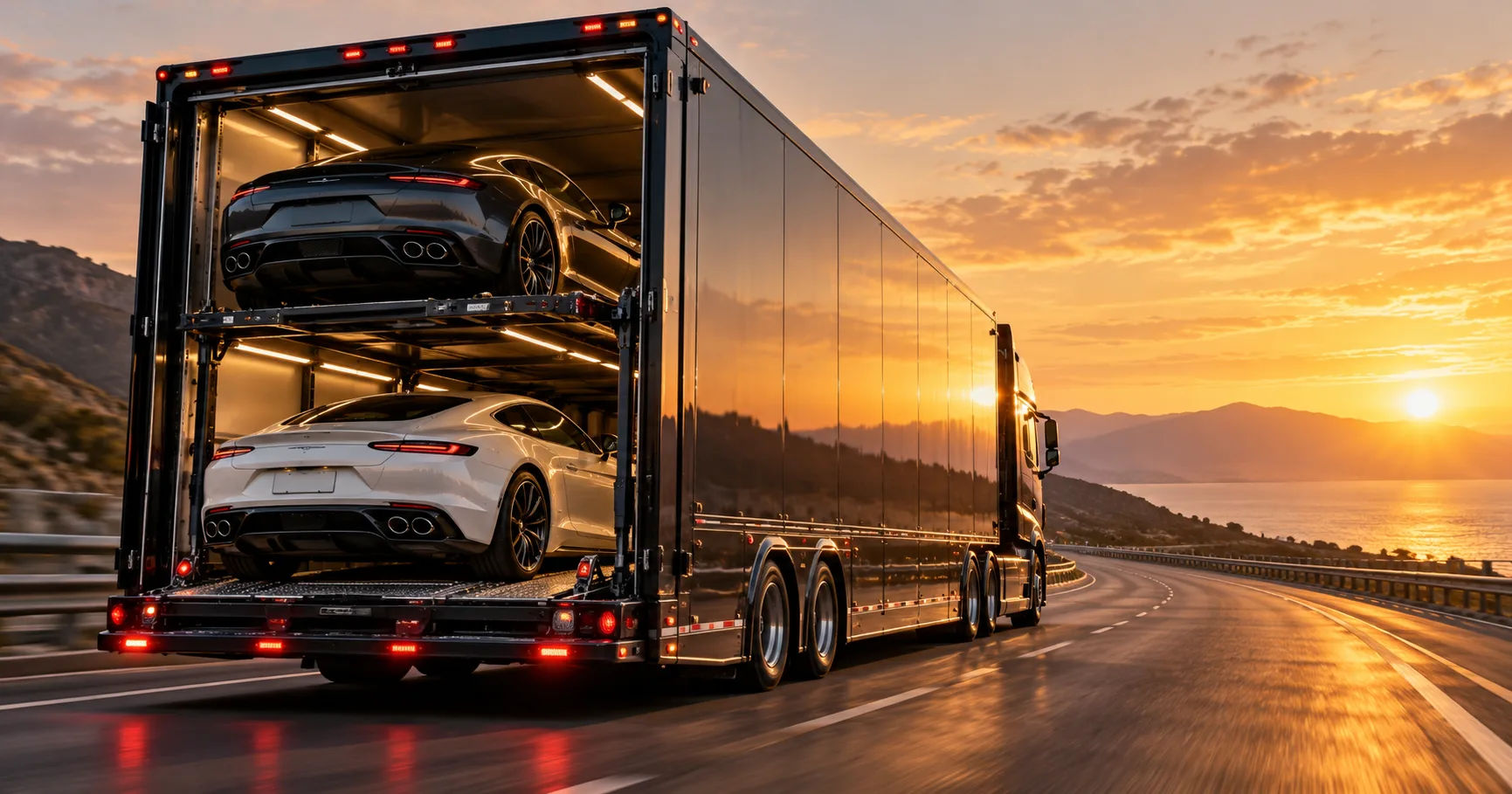 The answer depends on the vehicle's value, shipping budget, delivery preferences, and the level of protection required during transit.
Container shipping is a popular choice for transporting vehicles internationally because it places the car inside a secure metal container. This method offers protection from weather, reduces exposure to external handling, and may provide additional space for approved accessories. However, it can cost more than other shipping options and requires careful coordination at both the departure and destination ports.
Understanding the advantages, disadvantages, costs, and practical requirements of each method will help you make an informed decision. This comprehensive guide explains how container shipping works, when it is worthwhile, and what to consider before sending a vehicle from the UK to Zimbabwe.
Container Shipping for Cars
Container shipping involves placing a vehicle inside a large metal container that is transported by cargo ship. The container protects the vehicle from direct exposure to rain, sea spray, dust, and other external conditions during the ocean journey.
Cars are commonly transported in 20-foot or 40-foot containers. A 20-foot container can generally accommodate one standard passenger car, while a 40-foot container may accommodate two appropriately sized vehicles, depending on their dimensions and loading arrangements.
The vehicle is carefully positioned inside the container and secured using suitable restraints and wheel chocks. This prevents unnecessary movement during transportation. Professional loading is important because incorrect securing can cause scratches, dents, or other damage.
For people arranging Car shipping from UK to Zimbabwe, the container option can be particularly attractive when the vehicle is expensive, newly purchased, classic, or difficult to replace.
How the Shipping Process Works
The process usually begins with selecting an international vehicle shipping company. The company provides a quotation based on the vehicle's dimensions, collection location, destination, and chosen shipping method.
Once the booking is confirmed, the vehicle is delivered to a warehouse, container-loading facility, or other approved location. Depending on the service, the shipping company may also arrange collection from your home or dealership.
After loading, the container is sealed and transported to the departure port. It then travels by sea, potentially through a connecting port before reaching the destination port or logistics facility serving Zimbabwe.
Following arrival, the vehicle must pass through the relevant customs procedures. Import duties, taxes, documentation checks, and any applicable vehicle import requirements must be addressed before the car can be released.
The final stage involves arranging transport from the port or designated collection point to the vehicle's destination in Zimbabwe.
Why Container Shipping Can Be the Best Choice
Container shipping offers several advantages that make it suitable for specific vehicle shipments. However, whether it is the best choice depends on the circumstances of the shipment.
1. Better Protection from Weather
One of the main benefits of container shipping is that the vehicle remains enclosed during the ocean journey. It is not directly exposed to rain, sea spray, or airborne salt in the same way as cargo transported on an open deck.
This protection can be valuable for vehicles with delicate paintwork, leather interiors, sensitive finishes, or restored bodywork.
Although a container reduces exposure to external elements, it does not eliminate every risk. Moisture can accumulate inside a container if ventilation, drying, and preparation are inadequate. Vehicles should therefore be prepared appropriately before loading.
2. Increased Security During Transit
A sealed container provides an additional physical barrier around the vehicle. Once the container is loaded and secured, access is generally restricted to authorised personnel and approved inspection procedures.
This can reduce opportunities for unauthorised access during transit. However, security also depends on the shipping company, warehouse procedures, port handling, and customs inspections.
For owners transporting a valuable vehicle, the added enclosure may offer greater peace of mind.
3. Suitable for Valuable and Classic Cars
Classic cars, luxury vehicles, sports cars, and restored automobiles often require extra care during transportation. Even small scratches or paint damage can result in expensive repairs.
Container shipping can help protect these vehicles from external contact and weather exposure. Owners can also discuss specialised loading arrangements with the shipping company.
For particularly valuable vehicles, ask whether the provider offers specialist handling and whether the insurance policy covers the vehicle's full declared value.
4. Possibility of Shipping Approved Accessories
A container may offer space for certain approved vehicle accessories or other authorised cargo. This can be useful when transporting items such as spare parts that are permitted under the shipping company's rules and applicable customs requirements.
However, placing personal belongings inside a vehicle is not automatically allowed. Shipping companies, insurers, and customs authorities may impose restrictions on additional cargo.
Before loading anything beyond the vehicle itself, obtain written confirmation about what is permitted, how the items must be declared, and whether they affect insurance coverage.
5. Flexible Arrangements for Different Vehicles
Container shipping can accommodate many types of passenger cars, including sedans, hatchbacks, SUVs, and certain specialist vehicles, provided they fit within the container's dimensions and weight limits.
The shipping company must confirm that the vehicle can be loaded safely. Low-clearance sports cars, unusually wide vehicles, and modified automobiles may require additional preparation or specialist equipment.
Container Shipping vs. Roll-on/Roll-off Shipping
Container shipping is not the only way to transport a car internationally. Roll-on/Roll-off shipping, commonly called RoRo, is another established option.
With RoRo shipping, vehicles are driven or moved onto a specialised vessel and secured in designated vehicle decks. They are unloaded when the vessel reaches its destination port.
The best choice depends on the vehicle, route availability, service requirements, and total cost.
Comparing the Two Methods
| Feature | Container Shipping | RoRo Shipping |
|---|---|---|
| Protection | Enclosed during ocean transport | Vehicle decks are enclosed, but the vehicle is not individually containerised |
| Cost | Often more expensive | Often more economical when available |
| Vehicle access | Restricted after sealing | Governed by vessel and port procedures |
| Additional cargo | May be possible with approval | Usually subject to stricter cargo arrangements |
| Vehicle suitability | Many standard and specialist vehicles | Usually requires a vehicle that can be safely moved onto the vessel |
| Loading | Requires container loading and securing | Vehicle is driven or moved onto the vessel |
| Availability | Depends on container routes and services | Depends on available RoRo routes and vessel schedules |
RoRo is often attractive for standard vehicles that can be safely driven or moved onto the vessel. Container shipping may be preferable when additional enclosure or specialist handling is a priority.
Neither option guarantees damage-free transportation. The quality of handling, insurance coverage, documentation, and the shipping provider all matter.
How Much Does Container Shipping Cost?
The cost of Car shipping from UK to Zimbabwe varies according to several factors. There is no single price that applies to every vehicle or shipment.
Vehicle Size and Weight
Larger vehicles require more loading space and may involve additional handling expenses. A compact hatchback will generally be easier to accommodate than a large SUV or van.
A standard 20-foot container may suit one passenger car, while larger vehicles can require additional planning. The shipping company must assess the actual dimensions before confirming the price.
Departure Location in the UK
Collection from a location far from the departure port can increase the overall cost. If the vehicle needs to be transported from an inland city to a port or container warehouse, domestic transport charges may apply.
Ask whether the quotation includes collection, warehouse handling, container loading, port charges, and export documentation.
Shipping Route and Transit Time
The final cost depends on the available shipping route, vessel schedules, connecting ports, and the destination arrangements.
Zimbabwe is a landlocked country, so the vehicle generally needs to enter through a seaport in a neighbouring coastal country before continuing by road or another approved transport arrangement.
The precise route and destination logistics should be confirmed with the shipping company. Transit times can change because of vessel schedules, port congestion, customs processing, and inland transport arrangements.
Customs Duties, Taxes, and Other Charges
Ocean freight is only one part of the total expense. Other potential costs include customs duties, applicable taxes, customs clearance, port handling, storage, inland transport, and insurance.
Zimbabwe's vehicle import requirements can depend on factors such as the vehicle's age, classification, origin, declared value, and the importer's circumstances.
Before shipping, confirm the current rules with the relevant Zimbabwean authorities or a qualified customs agent. Do not assume that paying the shipping company covers import duties and taxes.
Insurance and Handling
Marine cargo insurance may be available to cover specified risks during transportation. The premium and coverage depend on the policy terms, declared value, and nature of the shipment.
Check whether loading, unloading, inland transport, theft, and customs-related risks are included or excluded. Ask about deductibles and the procedure for reporting damage.
A low quotation may exclude important services. Comparing complete quotations is more useful than choosing the lowest advertised freight price.
Is Container Shipping Suitable for Every Car?
Container shipping offers useful benefits, but it is not automatically the right solution for every vehicle.
When Container Shipping Makes Sense
It may be the preferred choice if you are transporting:
-
A luxury car with a high replacement value.
-
A classic or restored vehicle requiring extra care.
-
A sports car with delicate bodywork or low ground clearance.
-
A vehicle for which enclosed transport is an important priority.
-
A car accompanied by approved spare parts or accessories, where the shipping provider permits them.
In these situations, the additional cost may be justified by the vehicle's value or specific handling requirements.
When RoRo May Be More Practical
RoRo may be a better fit if you are shipping a standard vehicle and want to keep transportation costs under control.
It can also be convenient when the vehicle meets the vessel operator's requirements and an appropriate sailing is available.
However, some routes do not offer convenient RoRo services. Availability must be checked for the actual destination and shipping period rather than assumed.
What About Non-Running Vehicles?
A car that does not start may still be transportable in a container, but it needs suitable loading equipment and handling arrangements.
RoRo operators may accept certain non-running vehicles under specific conditions, but acceptance varies by carrier and route.
Always disclose mechanical problems, missing wheels, steering issues, or other defects before booking. These details can affect loading costs, safety, and insurance.
Documents Required for Shipping a Car to Zimbabwe
Proper documentation is essential for a smooth international shipment. Missing or inconsistent paperwork can delay customs clearance and increase storage costs.
Vehicle Ownership Documents
Prepare the vehicle registration documents and proof of ownership. Depending on the circumstances, the authorities or shipping company may request the original registration certificate, purchase invoice, or other evidence of ownership.
If the car is financed, leased, or owned by another person, additional authorisation may be necessary.
Export Documentation
The shipping company or its appointed agent can explain the export declaration requirements for leaving the UK. The exact paperwork depends on the vehicle, ownership situation, and shipping arrangement.
Confirm who is responsible for submitting export documents and whether any additional authorisation is needed.
Import and Customs Documents
Zimbabwean customs clearance may require the vehicle's purchase invoice, shipping documents, identification, import authorisations where applicable, and supporting information used to assess duties and taxes.
A bill of lading or other relevant transport document will normally form part of the shipping paperwork.
The required documents can vary according to current regulations and the importer's circumstances. Ask a qualified customs agent to review the paperwork before the vehicle leaves the UK.
Verify Import Eligibility Before Shipping
Import eligibility is one of the most important issues to resolve before booking transportation.
Check whether the vehicle meets current Zimbabwean requirements concerning age, roadworthiness, emissions or other applicable standards, valuation, and import permits.
Do not purchase or ship a vehicle until you have confirmed that it can legally be imported under the rules that apply to your situation.
Preparing Your Car for Container Shipping
Proper preparation helps reduce avoidable problems during loading, transport, and customs inspection.
Clean and Inspect the Vehicle
Wash the vehicle and inspect the exterior, interior, glass, wheels, and existing damage. Take dated photographs from several angles before handing the car over.
Photographs provide a useful record of the vehicle's condition if you need to raise a damage claim.
Remove unnecessary personal belongings and loose objects. Confirm any restrictions concerning fuel levels, batteries, alarms, and other vehicle systems with the shipping company.
Check the Mechanical Condition
Tell the shipping provider whether the vehicle starts, steers, brakes, and rolls normally. Accurate information helps the company choose the right loading equipment.
Remove or secure loose accessories where necessary. If the vehicle has modifications, oversized tyres, or unusually low clearance, explain these details before booking.
Arrange Suitable Insurance
Ask for written confirmation of the insurance options and their limits. Check the declared value, exclusions, deductible, and whether the policy covers the complete journey or only the ocean leg.
Keep copies of the booking confirmation, inspection report, photographs, and all relevant shipping documents.
How to Choose a Reliable Car Shipping Company
Choosing the right shipping company can make a major difference to the experience.
Compare Complete Quotations
Request quotations from several providers and ensure that each quotation describes the same service. Compare collection, loading, ocean freight, destination handling, customs assistance, inland transport, and insurance separately.
Ask whether the price is fixed or subject to additional charges. Find out what happens if the vessel schedule changes or customs clearance takes longer than expected.
Check Experience with Zimbabwe Shipments
An experienced provider should be able to explain the practical arrangements for shipping from the UK to a Zimbabwean destination.
Ask which seaport will be used, how the vehicle will reach Zimbabwe, which party handles customs clearance, and whether the provider works with a local agent.
A company should give clear answers rather than promising an unrealistically short delivery time or a guaranteed customs outcome.
Review Communication and Documentation
A reliable company should provide written booking terms, payment conditions, shipment updates, and a clear contact for questions.
Before paying, verify the company's identity, business details, reputation, and relevant shipping credentials. Read the contract carefully and understand the cancellation and claims procedures.
Common Mistakes to Avoid
Several common mistakes can lead to unnecessary expenses or delays.
Booking before checking import rules: A vehicle may face complications if it does not satisfy the requirements that apply in Zimbabwe. Confirm eligibility first.
Choosing based only on price: A cheap quotation may exclude destination charges, insurance, or inland transport.
Providing inaccurate vehicle details: Incorrect dimensions, undisclosed damage, or mechanical problems can cause loading difficulties and extra fees.
Assuming personal belongings are permitted: Additional items may be prohibited, restricted, or subject to separate customs requirements.
Ignoring the final delivery arrangements: Zimbabwe is landlocked, so the shipment needs a clear plan for movement from the seaport to its intended destination.
Leaving insurance until the last minute: Review the available coverage before the vehicle is handed over.
Avoiding these mistakes helps you compare options realistically and reduce the risk of unexpected costs.
Conclusion
Is container shipping the best option for sending a car from the UK to Zimbabwe? For many owners of valuable, classic, luxury, or delicate vehicles, it can be an excellent choice because it provides an enclosed transportation environment and allows the vehicle to be secured inside a container. It can also offer flexibility for approved additional cargo, subject to the shipping company's rules.
However, container shipping is not always the most economical solution. RoRo shipping may be more practical for standard vehicles when a suitable service is available. The right decision depends on the car's condition, value, dimensions, your budget, and the available route.
Before arranging Car shipping from UK to Zimbabwe, confirm the vehicle's import eligibility, obtain complete quotations, review insurance coverage, and establish how the car will travel from the destination seaport into Zimbabwe. Make sure that customs duties, taxes, port charges, and inland transportation are included in your overall budget.
Ultimately, the best shipping method is the one that balances cost, protection, reliability, and legal compliance. By researching the available options and working with an experienced shipping provider, you can make a confident decision and reduce the chances of delays or unexpected expenses.